The Loop
Everyone’s mesmerized by the model. The parameters, the benchmarks, the context windows, the reasoning traces. We’ve spent two years treating the LLM like the revolution — arguing about who’s ahead, which architecture wins, whether the next jump in capability changes everything.
It won’t. Because the model was never the revolution.
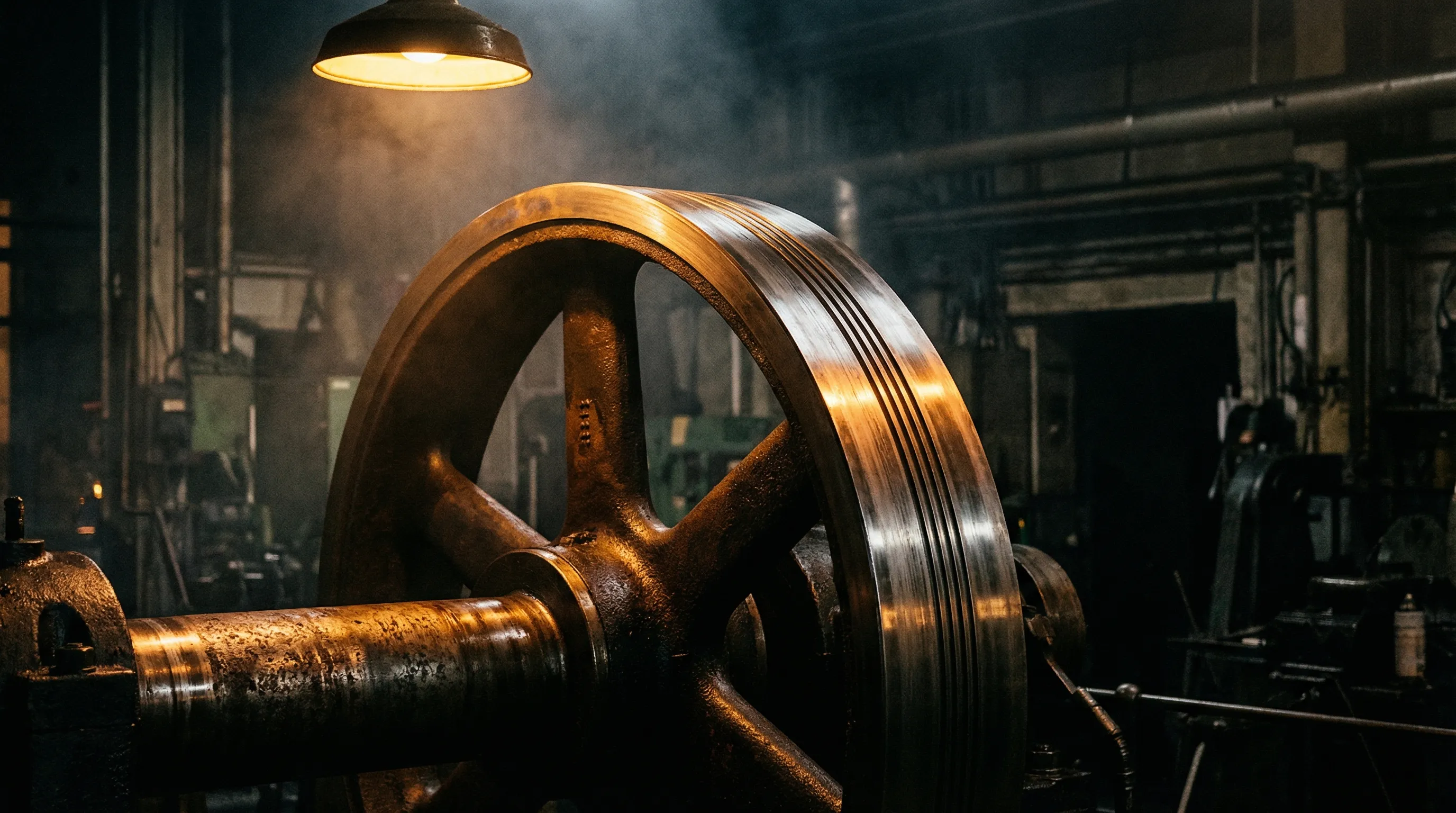
The revolution is the loop.
A single LLM call is a parlor trick. Impressive, sure. You prompt it, it responds, you nod appreciatively and move on. That’s a demo. That’s a suggestion engine with good marketing. But wrap that same call in a loop — act, observe, evaluate, adjust, repeat — and something fundamentally different emerges. Not intelligence. Persistence. A thing that doesn’t just answer — it works.
And here’s what should make every engineer’s hair stand up: the loop is the oldest idea in computing. while (true) runs every server, every game engine, every operating system you’ve ever touched. The entire “agentic AI” moment — the one generating billions in investment and a thousand breathless conference talks — is, at its core, this: we put something smart inside the oldest construct in programming. That’s it. That’s the revolution.
We didn’t invent a new paradigm. We automated the one that already runs everything.
Think about it. Act, observe, evaluate, adjust, repeat. That’s not just an agent architecture. That’s the scientific method. That’s the OODA loop. That’s how a startup iterates — ship, measure, learn, ship again. That’s how every meaningful thing has ever been built. The loop is the fundamental unit of continuous work in engineering, in science, in business, in life. We just gave it a faster engine.
The “agent” framing was a detour. Calling them agents made us think about replacing people — anthropomorphizing the loop into something it’s not. But loops don’t replace people. Loops are what people already do. Every engineer debugging a system is running a loop. Every founder iterating on product-market fit is running a loop. Every scientist testing a hypothesis is running a loop. The AI didn’t introduce the pattern. It accelerated it.
And that acceleration is changing something nobody’s talking about enough — not whether humans are in the loop, but where in the loop humans sit.
Call it the ladder of executive function. When this started, you validated every line of code the model wrote. Micromanager. You read every token because you didn’t trust it, and you were right not to. Then the loops got better and you started validating the approach instead of the syntax. Team lead. Then the approach got reliable and you started validating the goal — does this solve the right problem? Executive. And eventually — we’re not all the way here yet, but you can see it from here — you validate the values. Not what it’s building or how. Why.
Nobody leaves the loop. That’s the part the “AI replaces everyone” crowd keeps getting wrong. The human role doesn’t shrink. It elevates. You move up a rung. The loop still needs you — it needs you more, actually, because the decisions at the top of the ladder carry more weight than the ones at the bottom. Choosing the right goal matters more than choosing the right variable name. Choosing the right values matters more than choosing the right goal.
The model is getting smarter. But smarter doesn’t mean autonomous. It means the loop runs faster, covers more ground, handles more of the lower rungs — which means the human at the top has to be sharper, more intentional, more clear-eyed about what matters. The demand on human judgment doesn’t decrease as AI improves. It compounds.
The model is the brain. The loop is the work ethic.
We didn’t build artificial intelligence. We built artificial diligence — and then we discovered that diligence was the bottleneck all along. Not thinking. Doing. Not the flash of insight, but the relentless iteration that turns insight into reality.
The smartest model in the world, called once, is a suggestion.
Called in a loop, it’s a force of nature.